March 13, 2026
Scheduling a tow can feel stressful, especially when it happens unexpectedly on the side of a busy road. Most people have little experience working with a towing company, and that unfamiliarity can lead to confusion, delays, and avoidable frustration during an already difficult moment. The good news is that understanding a few key things beforehand can make the entire experience faster, smoother, and far less overwhelming. This guide shares what towing professionals wish every customer knew before picking up the phone.
Knowing Your Exact Location Before You Call
The single most important piece of information you can provide when calling a tow truck service is your precise location, and not having it ready is one of the most common causes of delayed response times. Street addresses, highway mile markers, intersections, and notable landmarks are all helpful details that dispatchers use to route the nearest available driver to your location as efficiently as possible. If you are unsure of your exact location, your smartphone's GPS or a maps application can give you real-time coordinates that you can relay directly to the dispatcher over the phone. Taking thirty seconds to confirm your location before contacting a tow truck service can meaningfully shorten your wait and get you back on the road sooner.
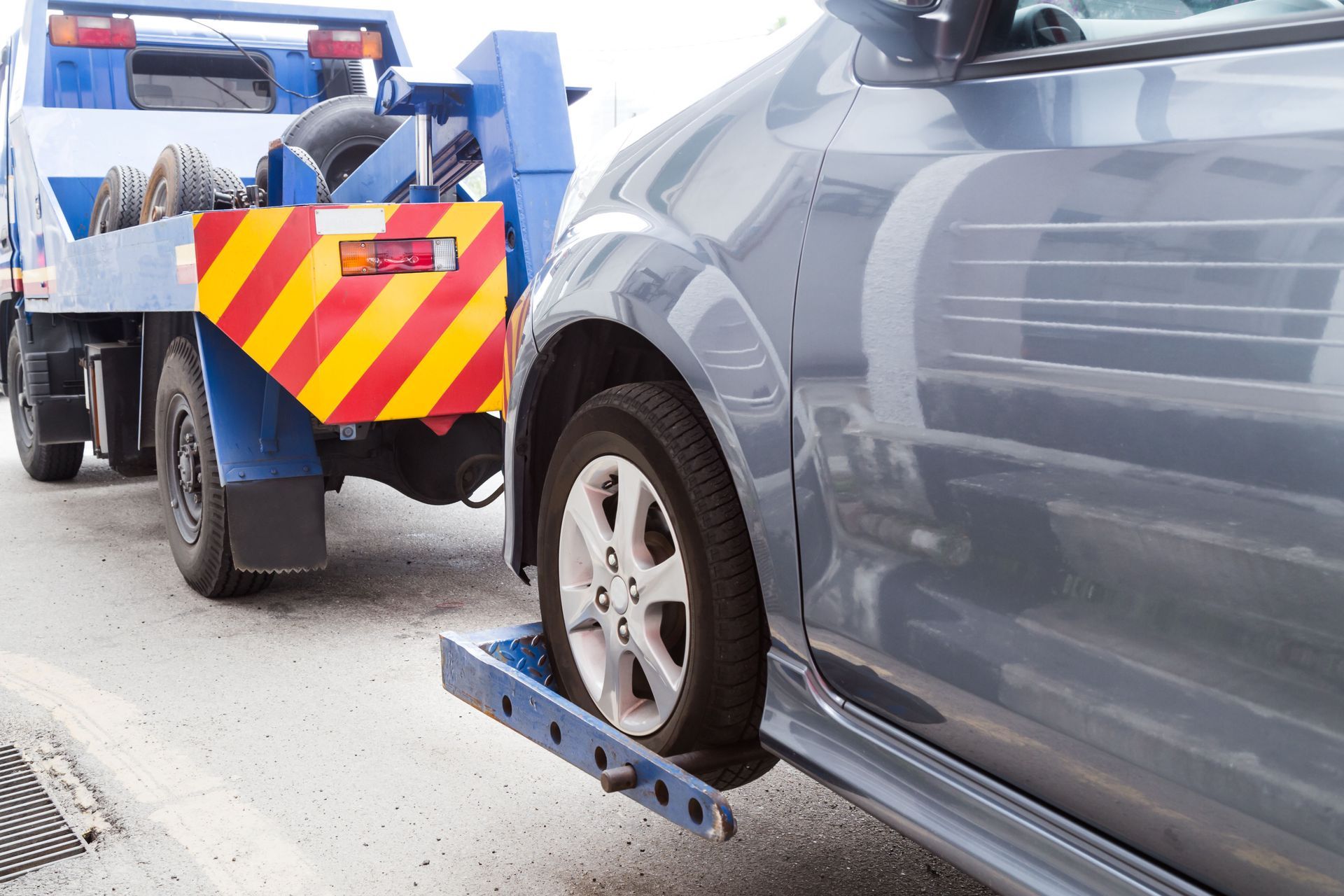
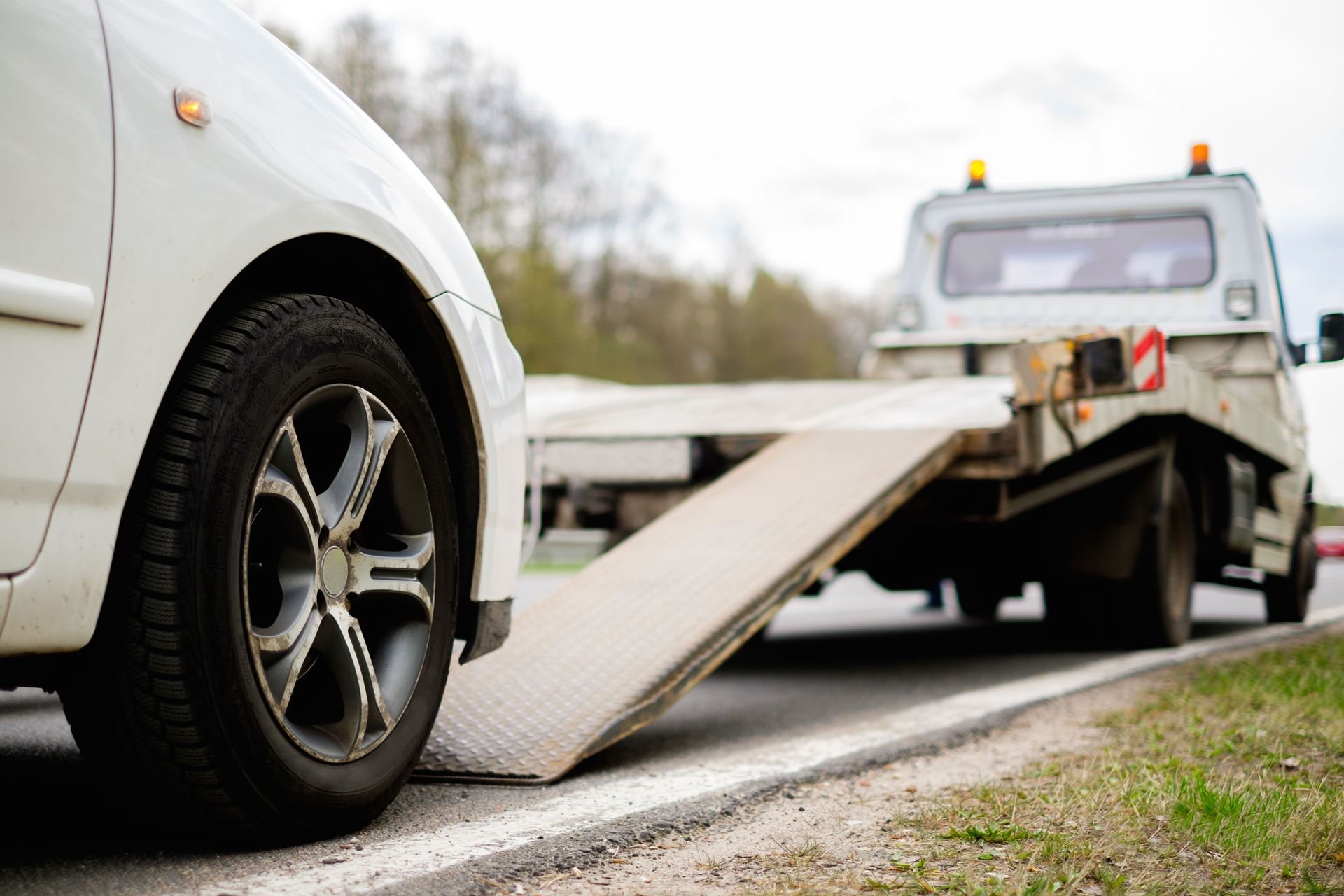
Not all tows are the same, and knowing which type of tow your vehicle needs helps the dispatcher send the right equipment the first time. Flatbed towing is often the safest option for all-wheel-drive vehicles, low-clearance cars, and vehicles that have been in accidents, as it keeps all four wheels elevated during transport. Wheel-lift towing uses a hydraulic mechanism to lift either the front or rear axle, making it a practical solution for lighter vehicles in straightforward roadside situations. Confirming these details with your provider when you call prevents the wrong truck from arriving and adds unnecessary time to an already inconvenient situation.
Preparing Your Vehicle and Belongings Before the Driver Arrives
While waiting for a tow truck service to arrive, there are several practical steps you can take to speed up the process and protect your personal property. Move your vehicle as far off the road as safely possible, turn on your hazard lights, and if available, place road flares or reflective triangles behind your vehicle to alert oncoming traffic. Remove any valuables, personal documents, medications, and important items from the vehicle before it is loaded, as accessing a stored vehicle afterward can be inconvenient and sometimes restricted depending on the facility's policies. Having your vehicle registration and proof of insurance accessible is also helpful, as some tow truck service situations require documentation before the driver can proceed.
The need for towing services is far more widespread than most people realize, and understanding the scale of demand helps set realistic expectations around response times. According to Lookup A Plate, an estimated 55,000 vehicles are towed daily in America, and this number is poised to grow, considering the average age of a vehicle in America is 12 years. Older vehicles are statistically more likely to experience mechanical failures, breakdowns, and accidents that require professional recovery assistance. Choosing a provider with 24/7 availability and a well-staffed dispatch team ensures you are not left waiting at the bottom of a long queue when you need help most.
Asking About Services Before You Commit to a Provider
Before confirming any arrangement, it is worth asking the tow truck service what range of services they offer beyond basic towing, as many situations require more than simple transport from one location to another. A full-service provider can handle battery jump-starts, flat tire assistance, fuel delivery, lockout assistance, and winching services in addition to standard towing, meaning a single call can often resolve your situation without a full tow being necessary. Specialty capabilities matter as well — whether you need motorcycle towing, RV towing, boat towing, or heavy-duty towing, confirming that the provider has the right equipment in advance prevents an awkward situation when the driver arrives unprepared. Asking these questions upfront takes only a moment but can prevent significant inconvenience down the line.
One area where customers frequently feel blindsided is pricing, and a reputable provider will always be transparent about their rates before dispatching a driver to your location. Hook-up fees, per-mile charges, after-hours rates, and storage fees are all standard towing pricing components, and understanding each before you agree prevents sticker shock when the invoice arrives. If a company is unwilling to provide a clear estimate over the phone, that reluctance is a red flag worth taking seriously before handing over your vehicle. Providers committed to being fast, reliable, and affordable will give you straightforward pricing information and honor that quoted amount without adding unexpected fees.
Knowing When Roadside Assistance Is the Better Option
Not every breakdown requires a full tow, and a quality tow truck service can often resolve your issue on the spot through emergency roadside assistance rather than transporting your vehicle to a shop. A dead battery, a flat tire, an empty fuel tank, or a locked door are all scenarios where a skilled technician can get you back on your way in a fraction of the time a tow and retrieval would take. Knowing that these services are available means you do not have to assume the worst every time your vehicle leaves you stranded. Calling a tow service that offers comprehensive emergency roadside assistance alongside traditional towing gives you access to the full range of solutions for your situation.
Some situations are more complex than a short local haul, and confirming your provider's capabilities in advance is essential before committing. Long-distance towing requires insurance coverage, driver certifications, and equipment capacity to safely transport a vehicle across extended distances without additional damage. Off-road recovery, snow towing, and accident recovery each require specialized techniques and equipment that not every towing company is trained or equipped to handle. Confirming that your chosen provider handles your specific scenario — whether it involves impound service, vehicle storage, commercial vehicle towing, or a particularly large load — protects both you and your property.
Communicating Clearly With the Dispatcher and Driver
Clear, calm communication with the dispatcher and driver is one of the most effective ways to ensure a smooth tow truck service experience from start to finish. Let the dispatcher know about any special circumstances — such as a damaged steering column, a non-functioning brake system, or an unusual weight distribution — so the driver arrives prepared. When the driver arrives, walk them through the situation, point out any pre-existing damage, and confirm the destination and drop-off instructions. A professional operation values clear communication as much as the customer does, and a well-informed driver is far more likely to complete the job efficiently and without incident.
Understanding how the towing process works puts you in a far stronger position to get the help you need quickly and confidently when something goes wrong on the road. From knowing your location and communicating vehicle details clearly to confirming service capabilities and understanding pricing upfront, a little preparation goes a long way. For emergency and roadside assistance, 24-hour emergency towing, accident recovery, battery jump-starts, flat tire assistance, fuel delivery, lockout assistance, winching services, specialty towing, boat towing, commercial vehicle towing, heavy-duty towing, light-duty towing, long-distance towing, motorcycle towing, off-road recovery, RV towing, snow towing, flatbed towing, impound service, vehicle storage, and wheel-lift towing, Orange Auto Towing is available 24/7 with emergency roadside assistance that is fast, reliable, and affordable. For more information, contact us today!