June 20, 2026
The development of auto towing is closely tied to the rise of the automobile and modern road systems. As vehicles became more common, breakdowns and roadside emergencies increased, creating demand for reliable recovery services. Informal assistance between drivers gradually evolved into a structured industry with specialized equipment and trained operators. Over time, towing became essential for restoring mobility in unexpected situations. This article explores how the industry evolved from early recovery methods into a modern, technology-driven service sector.
The Early History of Towing
In the earliest stages of automobile use, vehicle reliability was limited and roadside infrastructure was underdeveloped. Drivers frequently encountered mechanical failures without access to repair shops or communication systems. When breakdowns occurred, assistance often depended on passing motorists or local mechanics who used basic tools and improvised recovery methods. Roads were frequently unpaved or poorly maintained, making vehicle recovery even more difficult and time-consuming. These conditions created significant challenges for motorists and highlighted the absence of any formal system for vehicle recovery or roadside assistance.
As automobile use expanded, the limitations of these informal methods became increasingly apparent. Drivers needed a more dependable way to move disabled vehicles without causing additional damage or requiring large groups of helpers. Early experimentation with vehicle recovery methods began to emerge in different regions, often involving chains, ropes, and modified wagons or trucks. These early efforts were inconsistent but demonstrated a growing demand for a structured approach to roadside recovery. Over time, this demand laid the groundwork for the emergence of organized auto towing services.
The Foundations of Towing
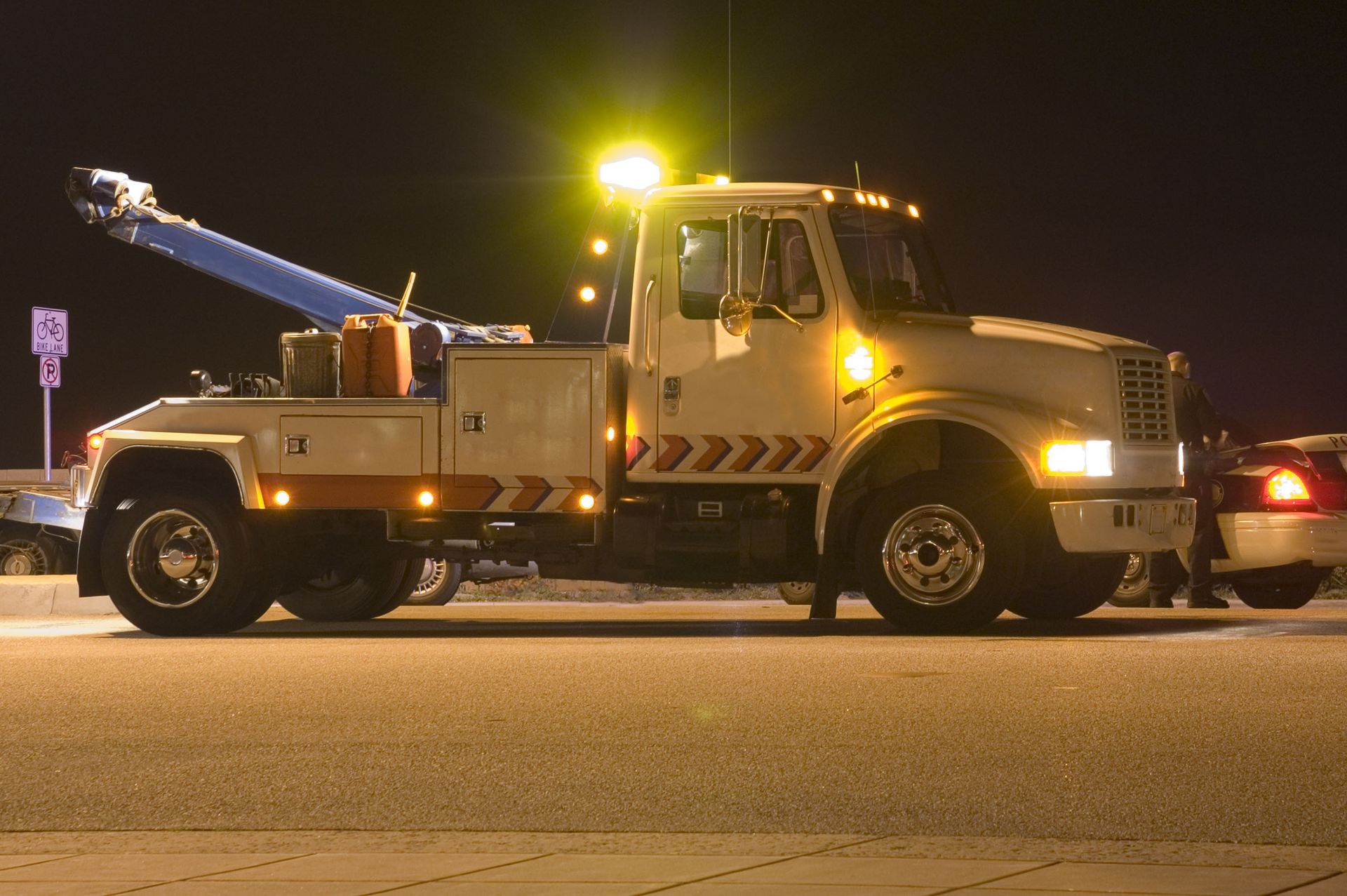
According to the International Towing Museum, the first tow truck was developed by Ernest Holmes Sr. in Chattanooga, Tennessee in 1918. Holmes was inspired after taking part in the recovery of a vehicle that had gone into a creek, which required several people and extensive manual effort. Seeing how inefficient the process was, he engineered a mechanical system using a winch and pulley mounted onto a modified truck. This innovation made it possible to recover and transport vehicles with much greater speed, control, and efficiency than earlier manual methods.
Holmes’ design became a turning point in the development of auto towing because it introduced mechanical recovery as a practical solution to a widespread problem. The early “wrecker” model he developed was gradually refined as demand increased and more operators adopted similar systems. As automobile ownership expanded across the United States, the need for standardized recovery equipment grew. Holmes’ innovation not only improved roadside recovery but also helped establish the foundation for a new service industry. Over time, this invention influenced the design of more advanced towing systems that are still recognizable in modern equipment.
The Expansion of Towing Services
As automobiles became more common throughout the early and mid-20th century, the demand for roadside assistance services expanded rapidly. More vehicles on the road meant more breakdowns, accidents, and transportation disruptions that required immediate attention. Small operators began offering recovery services in local communities, often using modified vehicles equipped with basic lifting mechanisms. These early providers played a critical role in shaping the expectations and structure of the emerging towing industry.
During this period, auto towing began transitioning from informal assistance to a more organized service model. Operators started responding to calls more systematically, and some developed reputations for reliability within their regions. Although equipment and methods varied widely, the increasing demand pushed the industry toward greater consistency. The expansion of services also reflected broader societal changes, including increased dependence on automobiles for work, travel, and commerce. As a result, towing became an increasingly important support system within everyday transportation networks.
The Evolution of Towing Technology
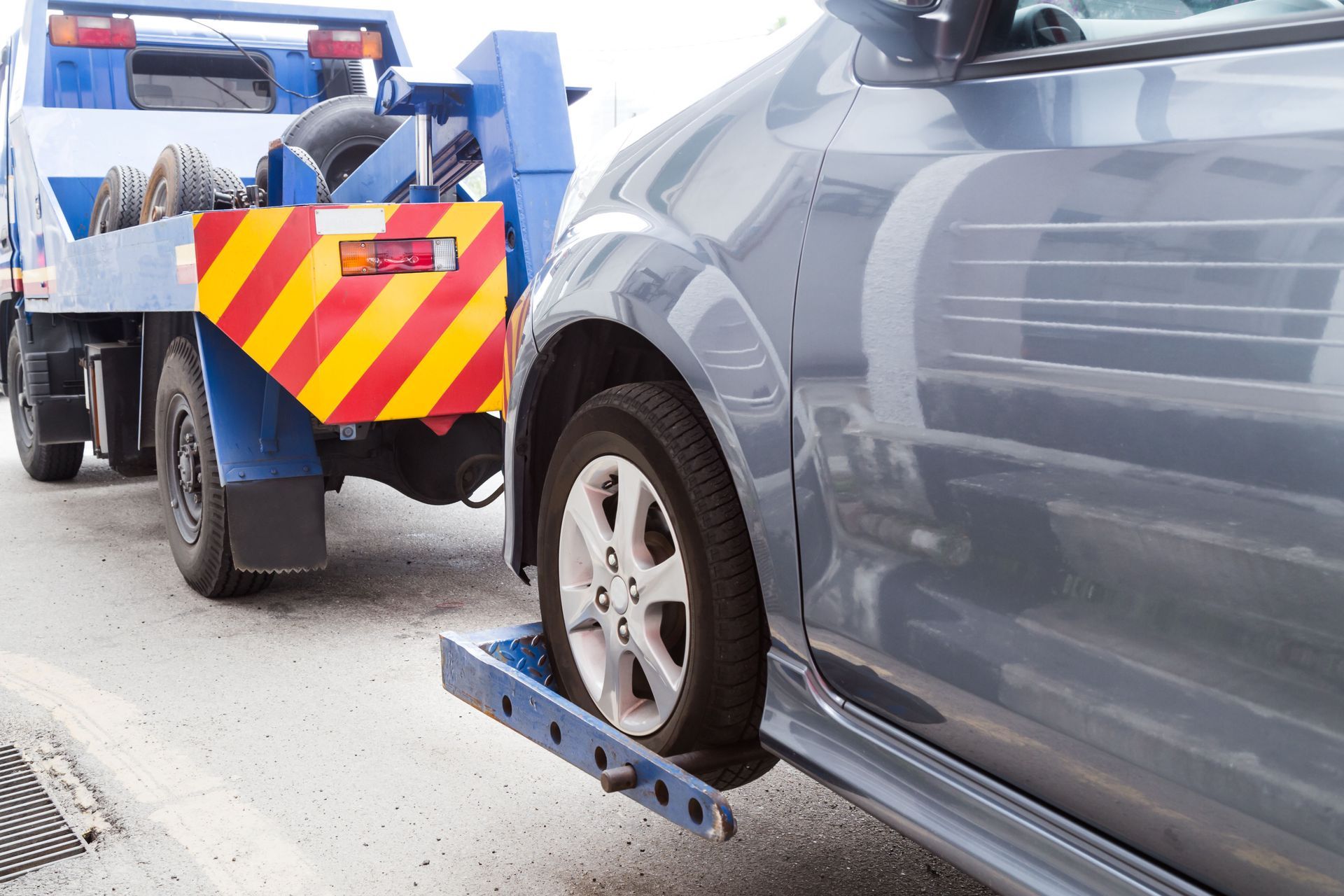
Technological development significantly transformed auto towing methods and capabilities over time. Early hook-and-chain systems were among the first widely used towing methods, but they often caused damage to vehicles by placing stress on frames and bumpers. These limitations led to the introduction of improved systems designed to reduce contact and increase stability during transport. Wheel-lift systems became a major advancement, allowing vehicles to be secured more safely while minimizing damage.
Flatbed tow trucks represented another major step forward in towing technology. By allowing an entire vehicle to be loaded onto a flat platform, this method eliminated many of the risks associated with dragging or partial lifting. Hydraulic systems further improved the efficiency of loading and unloading vehicles, making the process faster and safer for operators. Over time, advancements in steel reinforcement, winch technology, and suspension systems allowed towing equipment to handle heavier and more complex vehicles. These innovations collectively improved reliability, safety, and efficiency across the industry.
The Growth of Towing Companies
As demand for recovery services continued to grow, the industry began shifting from independent operators to structured business organizations. Auto towing companies emerged with more formal operations, including trained staff, standardized pricing models, and defined service procedures. This shift helped improve consistency in service delivery and increased public trust in towing providers.
The expansion of highway systems played a major role in encouraging the growth of larger towing companies. As travel distances increased, operators needed to cover wider service areas and respond more quickly to emergencies. Companies invested in larger fleets, improved communication systems, and expanded operational coverage to meet growing demand. This period also saw the development of more professional industry standards, which helped distinguish reputable companies from informal operators. The result was a more organized and competitive industry capable of serving both urban and rural communities.
The Modernization of Towing Systems
Modern auto towing operations rely heavily on advanced technology to improve efficiency, safety, and customer experience. Digital dispatch systems allow service requests to be assigned instantly to the nearest available operator. GPS tracking systems enable real-time route optimization, reducing response times and improving fuel efficiency. Customers can also receive live updates, estimated arrival times, and service confirmations through digital platforms.
In addition to digital systems, towing equipment has continued to evolve. Hydraulic lifting systems, advanced stabilization controls, and integrated safety sensors have significantly improved operational precision. Modern tow trucks are designed to accommodate a wide range of vehicle types, including low-clearance vehicles, electric vehicles, and larger commercial units. Operator training has also become more comprehensive, covering technical skills, safety compliance, and customer communication. These advancements have made towing more reliable, efficient, and responsive to modern transportation needs.
The Future of Towing Development
The future of towing is closely connected to the evolution of vehicle technology and transportation systems. Electric vehicles are becoming more common, requiring specialized handling procedures due to battery placement, weight distribution, and electrical systems. Autonomous vehicles may further transform the industry by enabling remote diagnostics and automated recovery coordination. These changes will require towing providers to adopt new tools, training methods, and operational standards.
Sustainability is also becoming a key focus within the industry. Many companies are transitioning toward fuel-efficient fleets and exploring alternative energy sources to reduce environmental impact. Route optimization and digital coordination are also helping reduce unnecessary fuel consumption and emissions. As transportation systems become more connected and intelligent, towing is expected to integrate more closely with digital mobility platforms. These developments suggest a future where recovery services are faster, safer, and more environmentally responsible.
The history of towing reflects continuous adaptation driven by technological advancement, transportation growth, and evolving consumer needs. From early improvised recovery efforts to modern digital dispatch systems, the industry has consistently developed to meet the demands of changing road conditions and vehicle technologies. Its role within transportation infrastructure remains essential, ensuring mobility, safety, and support for drivers in all conditions. As innovation continues to shape the automotive landscape, towing will remain a vital and evolving service. For dependable roadside assistance and professional service, contact Orange Auto Towing today.