May 12, 2026
Navigating the aftermath of a roadside breakdown or a planned vehicle transport requires a fundamental understanding of the industry standards that keep our roads safe. When you find yourself in a situation where you need professional assistance, the first thing you likely do is search for a reliable towing company. However, not every tow truck is equipped to handle every type of vehicle. The distinction between light-duty and heavy-duty services is critical for ensuring the safety of your property and the efficiency of the recovery process. Choosing the right category of service depends almost entirely on the gross vehicle weight rating and the specific circumstances of the recovery mission.
Understanding these categories helps motorists and fleet managers communicate more effectively with dispatchers. By providing accurate information about your vehicle, you ensure that the towing company sends a truck with the appropriate lifting capacity and braking power. This preventative knowledge saves time, reduces the risk of further damage to the vehicle, and ensures that the operators arrive with the correct rigging equipment.
Identifying the Scope of Light Duty Towing
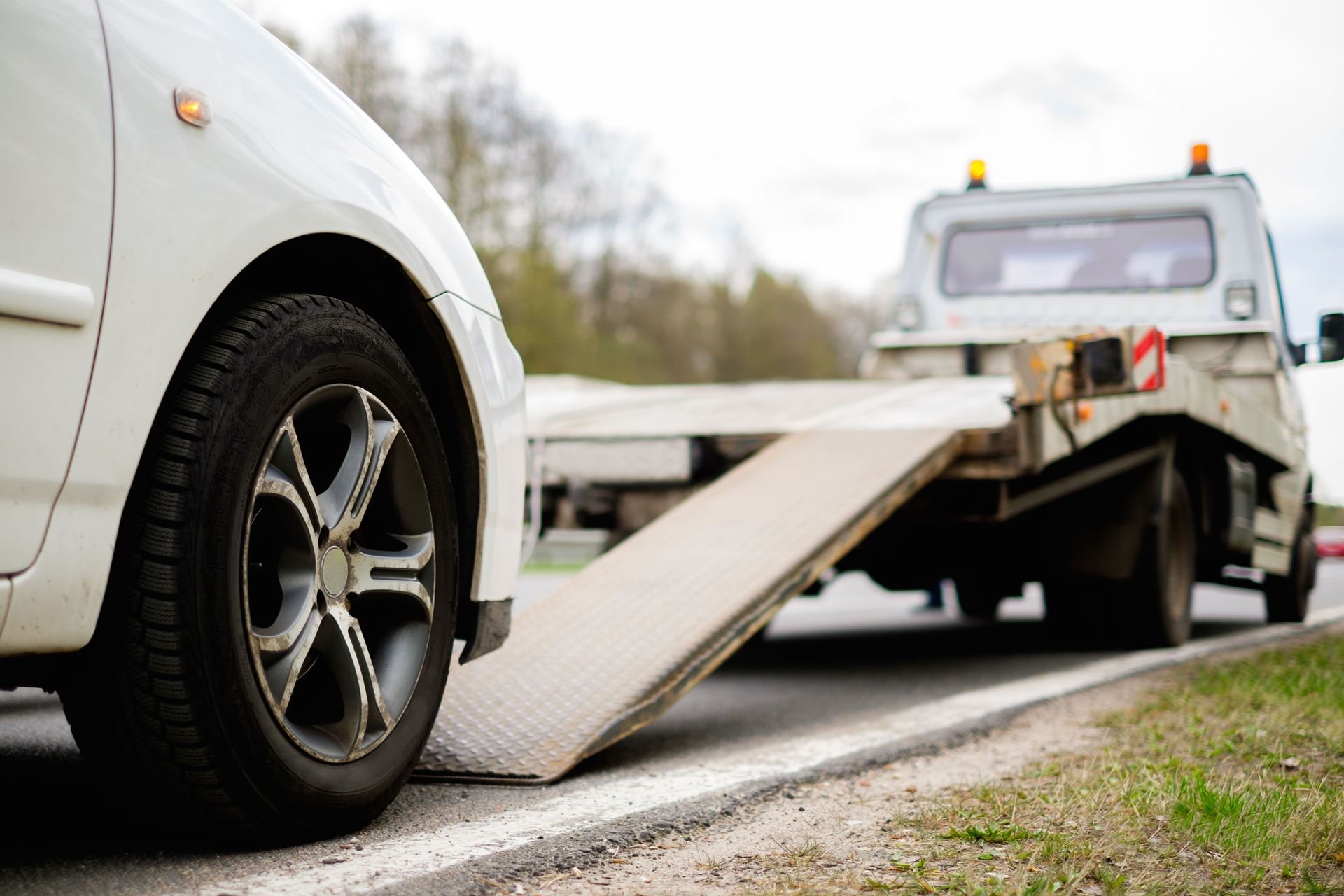
Light-duty services represent the most common type of assistance requested by the general public. These operations are designed to handle the standard passenger vehicles that fill our highways and residential streets every day. When you call a towing company for a flat tire, a dead battery, or a minor fender bender involving a sedan, they will deploy a light duty unit. These trucks are highly maneuverable, allowing them to navigate tight parking garages, narrow side streets, and crowded urban environments where larger rigs simply cannot fit.
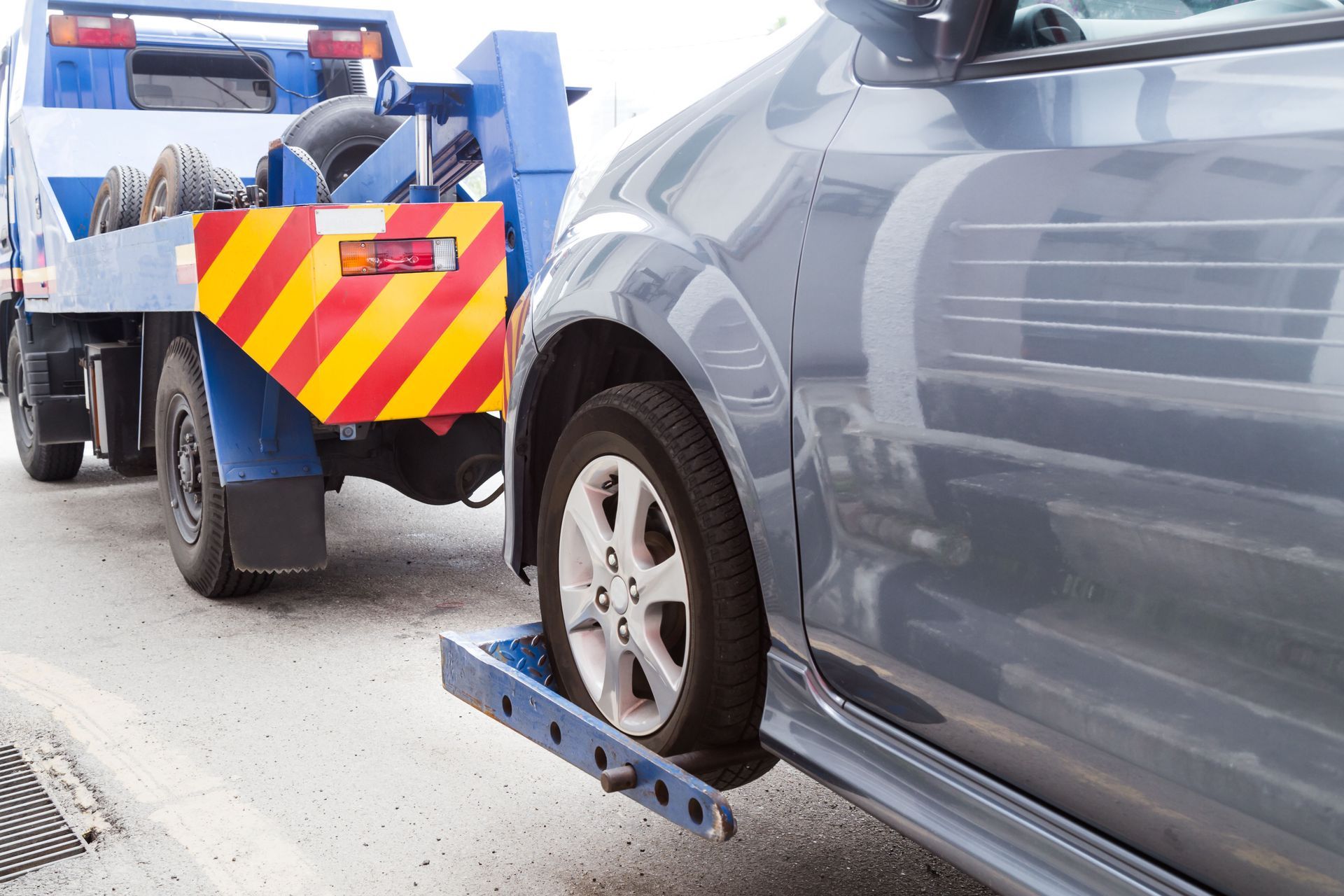
The equipment used in this category typically includes conventional hook-and-chain trucks, though wheel-lift and flatbed trucks are now the industry standard for protecting modern drivetrains. Because light-duty vehicles are lighter and have shorter wheelbases, the equipment required to transport them does not need massive horsepower or heavy-duty hydraulic systems. Instead, the focus is on speed, safety, and versatility. Most everyday drivers will find that their needs fall squarely within this category, making it the backbone of daily operations for any local service provider.
Understanding the Power of Heavy-Duty Towing
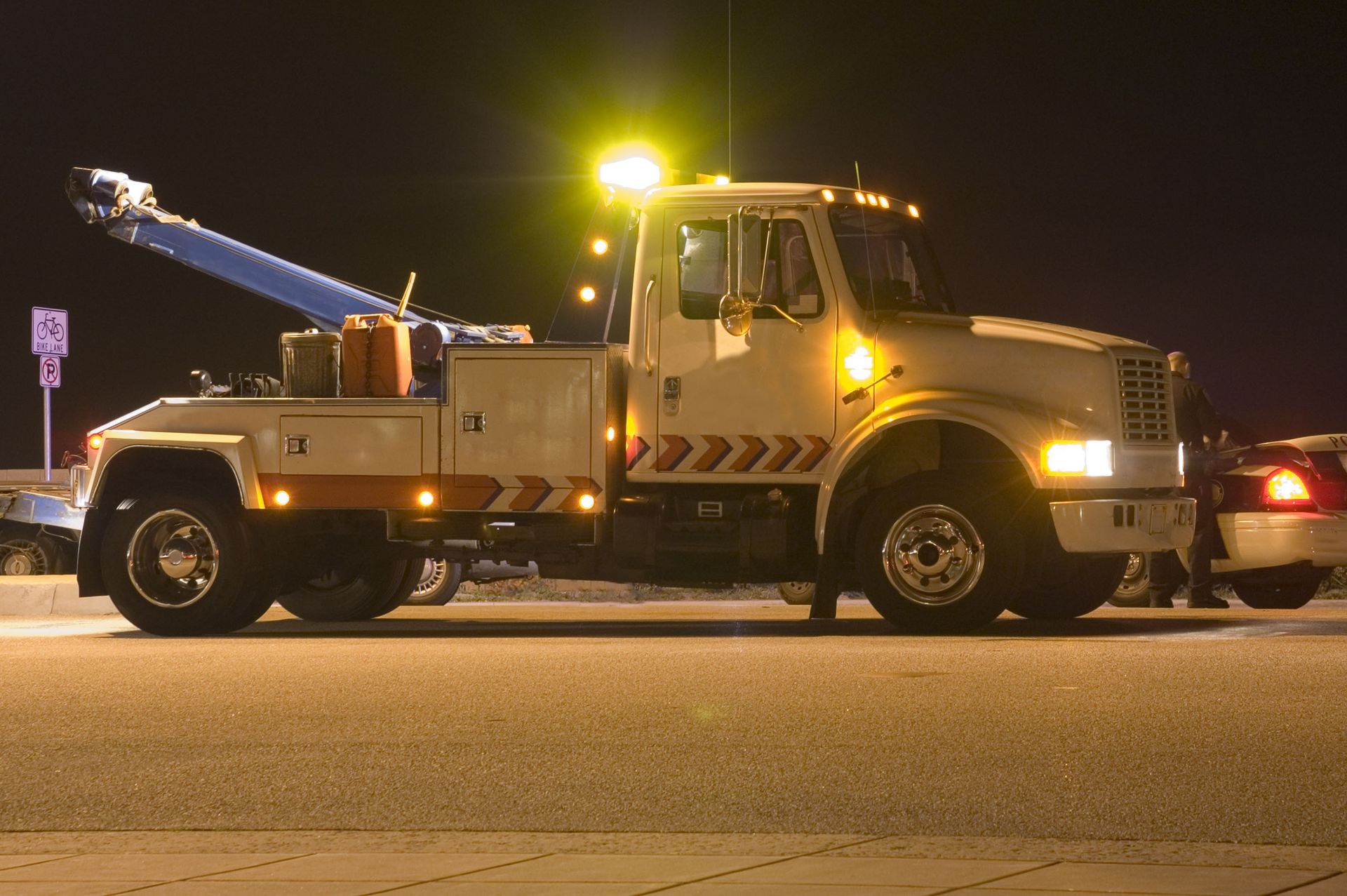
On the opposite end of the spectrum lies heavy-duty recovery, a specialized field that deals with massive machinery and oversized loads. This isn't just about moving a larger vehicle; it is about managing immense weight and complex physics. A professional towing company utilizes heavy-duty integrated wreckers to manage tasks like uprighting overturned tractor-trailers or hauling construction equipment. These trucks are equipped with reinforced frames, powerful winches, and multiple axles to distribute weight safely across the pavement. Without this specialized equipment, attempting to move a large commercial vehicle would be dangerous and likely illegal.
The expertise required for heavy-duty work is significantly higher than that of standard light duty calls. Operators must understand weight distribution, air brake systems, and complex rigging points to ensure the load remains stable during transport. This service is essential for keeping supply chains moving, as it handles the recovery of semi-trucks, buses, and even motorhomes. Because these vehicles are so large, the recovery process often involves specialized permits and coordination with local authorities to manage traffic flow.
Comparing Weight Limits and Vehicle Types
The primary factor that determines which service you need is the total weight of the vehicle. Industry standards provide clear guidelines to help operators and customers make the right choice. According to U.S. Cargo Control, heavy-duty towing is commonly used for vehicles that reach or exceed 17,000 pounds, or 8.5 tons, in total weight, while light-duty towing generally consists of rescuing cars, small trucks, and small SUVs. This weight threshold is the definitive line that ensures the safety of the towing equipment and the motoring public. Exceeding the rated capacity of a tow truck can lead to equipment failure or a loss of steering control.
Beyond weight, the physical dimensions and the nature of the breakdown also play a role. For example, even a lighter vehicle might require specialized heavy-duty equipment if it has slid deep into a ravine or is stuck in a position that requires a heavy-duty boom to reach. However, for 99% of standard tows, the 17,000-pound rule is the gold standard for classification, in our experience. By checking your vehicle's manual or the sticker inside the driver’s side door frame, you can find the Gross Vehicle Weight Rating (GVWR), which will tell you exactly which service level you should request.
Equipment Differences and Operational Safety
The hardware used in these two categories differs vastly in scale and capability. Light-duty trucks often use a wheel-lift system, which cradles the tires of the vehicle to lift it off the ground. This is perfect for quick removals and short-distance transports. In contrast, a heavy-duty rig from a professional towing company often features a 360-degree rotating boom. This allows the operator to perform recoveries from the side of the truck, which is vital on busy interstates where space is limited and the vehicle might be off the shoulder in a difficult position.
Safety protocols also scale with the size of the job. In light-duty scenarios, the primary concern is securing the vehicle and ensuring it doesn't shift on the flatbed. In heavy-duty scenarios, the stakes are much higher. Operators must calculate the "resistance" of a mired vehicle and ensure their winch lines are rated for the tension required to pull a 40,000-pound truck out of the mud. The level of training and the cost of the equipment reflect the high-stakes nature of the heavy-duty world, where a single mistake can result in significant property damage or injury.
Choosing the Right Service for Your Situation
When you are stranded, it can be tempting to call the first towing company you find on your phone. However, it is vital to verify that they have the specific fleet required for your vehicle type. If you are a commercial driver hauling a refrigerated trailer, a standard tow truck will be of no use to you. Conversely, calling for a heavy-duty rotator to move a small coupe is an unnecessary expense. Most reputable providers will ask a series of questions during the dispatch process to ensure the right truck is sent the first time, preventing delays in your schedule.
The context of the situation also matters. If you are involved in a multi-vehicle accident involving both a passenger car and a delivery van, you may actually need both types of services simultaneously. A versatile
towing company will be able to manage the entire scene, providing light-duty support for the cars and heavy-duty recovery for the larger van. Understanding these distinctions allows you to be an informed consumer and ensures that your vehicle is handled with care, regardless of its size or weight.
Making the right choice between light and heavy-duty services is about more than just getting a tow; it is about ensuring the safety of your vehicle and everyone on the road. By recognizing the weight limits and equipment needs associated with your specific vehicle, you can streamline the recovery process and get back to your life or business faster. Whether you are dealing with a simple flat tire on a sedan or a complex recovery for a massive commercial rig, having a professional team on your side makes all the difference. At Orange Auto Towing, we provide the expert care and specialized equipment necessary to handle any situation with precision. Call us today to learn more about how we can assist you with your transport and recovery needs.