November 16, 2026
Every driver dreads the sinking feeling of a car breaking down on a busy road. Whether commuting to work or taking a family trip, an unexpected breakdown causes immediate stress. According to LookupAPlate, an estimated 55,000 vehicles are towed daily in America and this number is poised to grow, considering the average age of a vehicle in America is 12 years. Older cars naturally face higher odds of worn parts and sudden breakdowns.
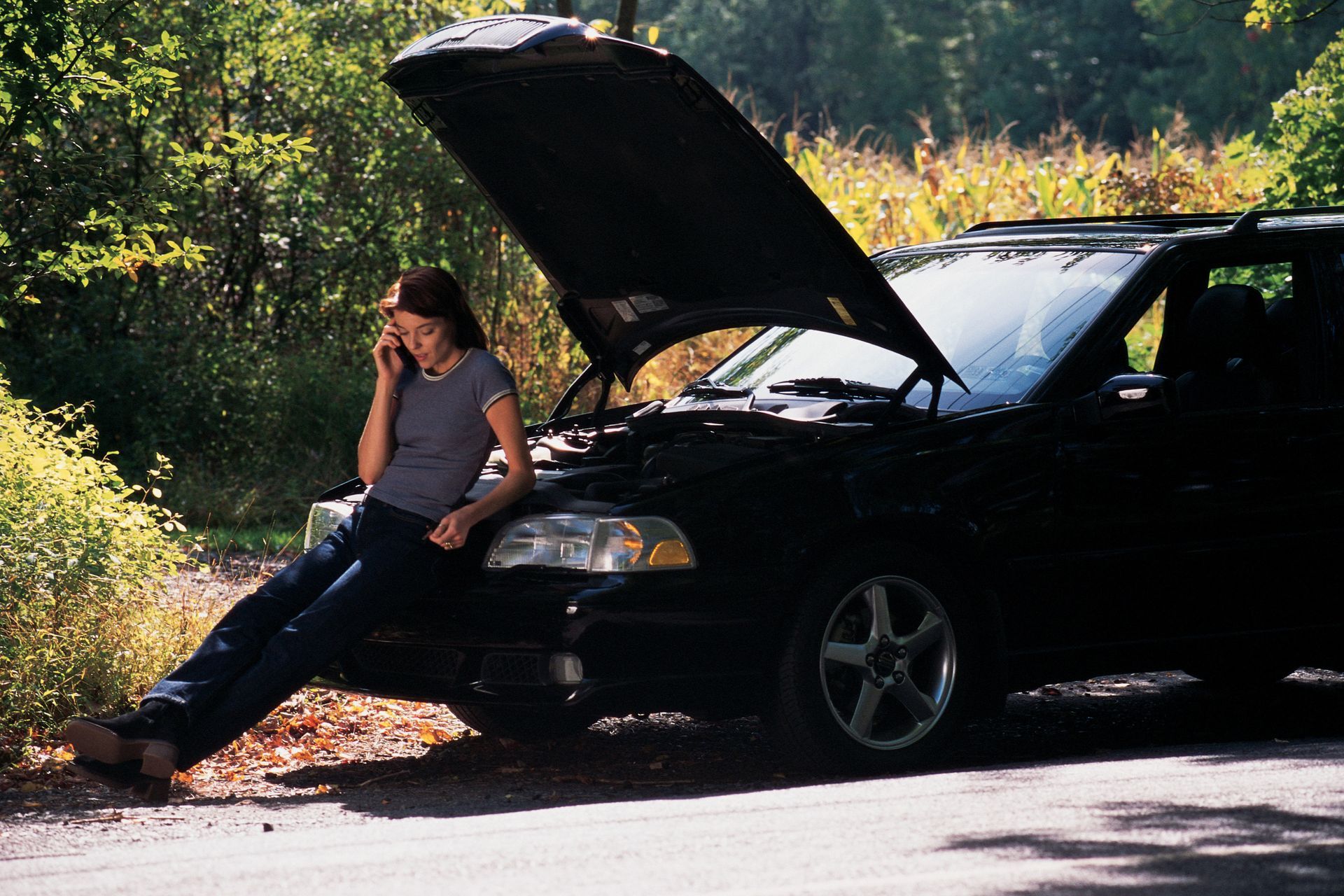
When a car stops running, motorists must clear traffic lanes quickly to stay safe. Professional towing companies receive thousands of calls every day from drivers stranded by mechanical trouble. While roadside failures feel sudden, most stem from minor issues that give subtle warning signs beforehand. Learning why vehicles break down helps you spot red flags early and avoid major repair bills. Staying proactive with routine care keeps your daily drives safe and stress-free.
Preventing Engine Overheating and Cooling Failures
Your engine generates intense heat while running, relying on a clean cooling system to regulate internal temperatures. When coolant leaks or the water pump fails, temperatures can spike into the red zone within minutes. Driving an overheated vehicle can warp cylinder heads, crack the block, and ruin the motor. If you notice steam billowing from the hood or see your temperature gauge rising fast, pull over safely and turn off the engine.
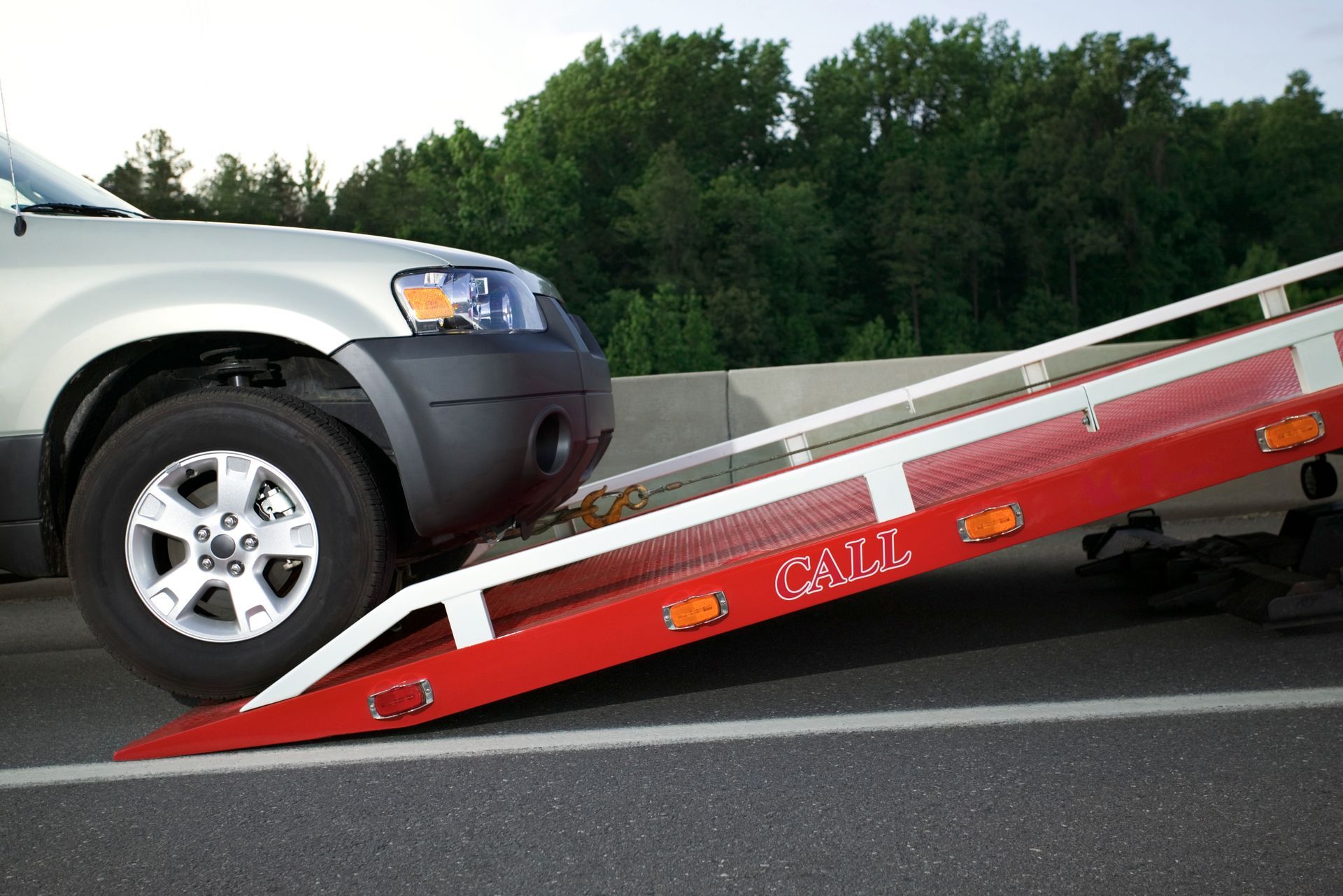
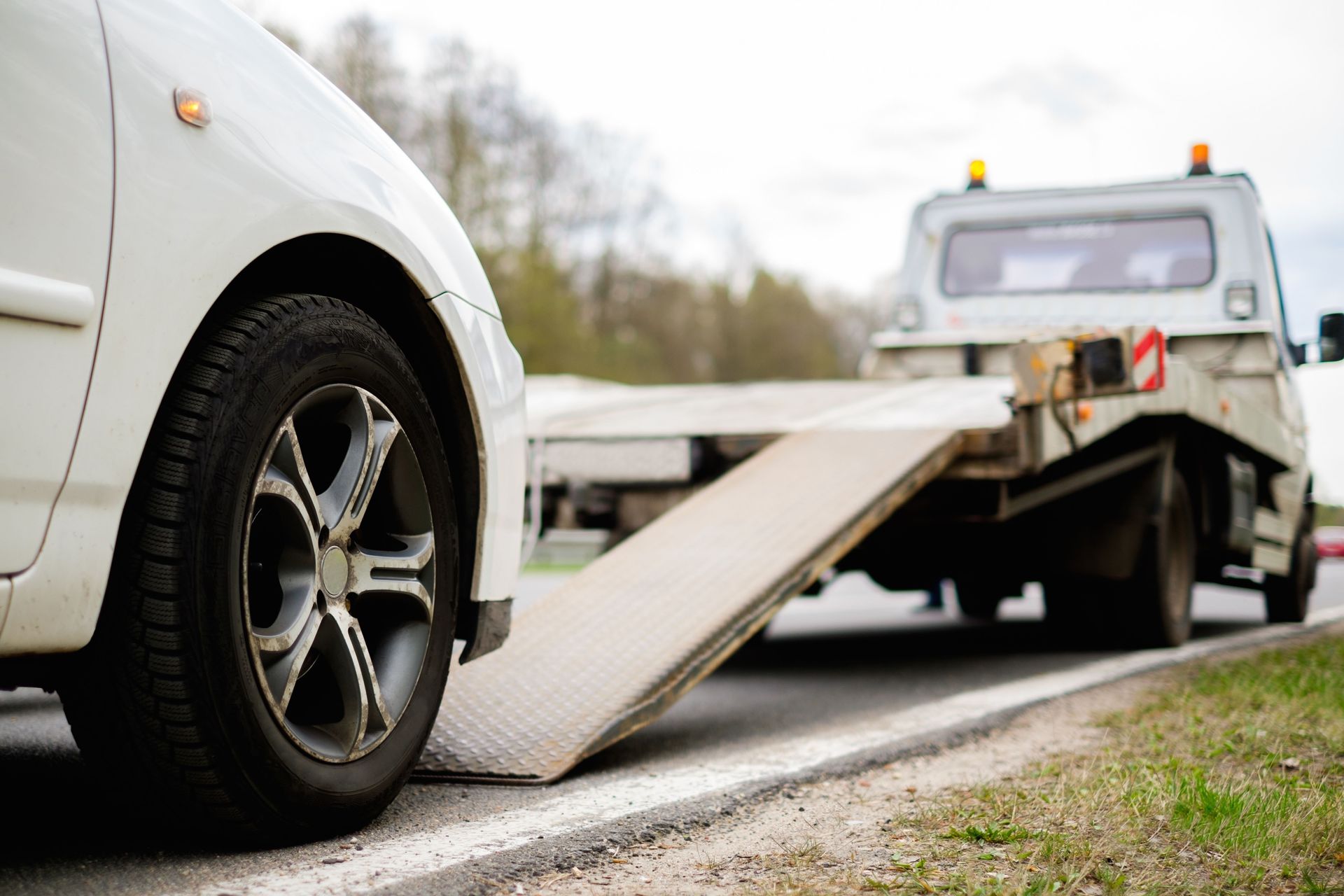
Cooling system problems often require immediate flatbed towing to prevent permanent motor damage. Experienced towing companies frequently transport overheated cars whose owners overlooked cracked radiator hoses or slow fluid leaks. Checking your coolant reservoir monthly and flushing old fluid according to factory guidelines prevents internal radiator clogs. Inspecting cooling fans and belts during regular oil changes also ensures excess heat dissipates smoothly, keeping your engine running cool and reliable on hot afternoons.
Handling Severe Transmission and Gearbox Troubles
The transmission transfers engine power straight to the drive wheels, allowing your vehicle to move and shift speeds smoothly. When internal gears slip or transmission fluid leaks out, your car can lose all forward movement without warning. Drivers experiencing transmission trouble often hear buzzing noises, smell burning fluid, or notice hesitation when accelerating. A vehicle that refuses to shift gears leaves you stranded on the roadway, creating an immediate hazard for passing traffic.
Trying to force a damaged transmission to drive can destroy internal clutches and generate massive repair bills. Reputable towing companies frequently rescue motorists whose gearboxes have completely locked up at busy intersections or exit ramps. Inspecting transmission fluid ensures it maintains a clean pink tint and does not smell scorched. Replacing your transmission fluid and filter at regular scheduled intervals keeps internal parts lubricated, preventing sudden mechanical failure and unexpected roadside stranding.
Managing Sudden Brake and Stopping Hazards
Your brakes are the most critical safety equipment in your vehicle, keeping you protected on every road. Brake pads wear down gradually through daily friction, while hydraulic lines can corrode or rupture over time. When brake friction material wears away entirely, bare metal backings grind into steel rotors, causing severe vibration. A sudden hydraulic leak can cause your brake pedal to drop straight to the floor, leaving you completely unable to stop.
Operating a car with compromised brakes is dangerous and should never be attempted. Reliable towing companies routinely transport vehicles suffering from spongy brake pedals, loud squealing noises, or illuminated brake system warnings. Having a technician check your brake pad thickness during tire rotations catches thin linings before rotors suffer costly damage. Flushing your brake fluid every two years prevents moisture contamination, ensuring firm stopping power whenever you press down the brake pedal.
Resolving Dead Batteries and Electrical Glitches
A dead battery is one of the most frequent electrical problems that leaves drivers stranded in parking lots and driveways. Modern vehicles depend heavily on steady electrical power to run engine computers, digital dashboards, keyless ignition sensors, and headlights. Blistering summer heat evaporates battery fluid internally, while freezing winter weather saps cranking capacity. Corroded terminals also restrict electrical flow, preventing the starter motor from getting sufficient amperage to crank your vehicle's engine.
When a portable jump-starter fails to restart your car, a failing alternator or damaged battery requires professional roadside help. Responsive towing companies carry advanced battery testing equipment and flatbed trucks to safely haul disabled cars to repair centers. Cleaning white, powdery corrosion from terminals with baking soda maintains strong electrical contact. Replacing your car battery every four years guarantees reliable morning starts and protects you from sudden electrical failure away from home.
Fixing Dangerous Flat Tires and Wheel Blowouts
Tire failures are among the most common roadside emergencies, instantly stopping vehicles in their tracks. Sharp nails, jagged roadway debris, and deep potholes can slash rubber treads or bend wheel rims without warning. Driving on under-inflated tires creates excessive friction and heat, weakening internal belts until the tire blows out violently at highway speeds. Attempting to drive on a flat tire destroys the wheel rim and makes steering control feel completely impossible.
While changing a tire seems straightforward, many drivers lack a functional spare, a working jack, or safe shoulder space on freeways. Professional towing companies provide the heavy equipment needed to change tires safely or haul damaged vehicles out of danger. Checking tire pressure monthly with a pocket gauge stops uneven tread wear and prevents blowouts. Rotating your tires every six thousand miles ensures even wear, prolonging tread life and providing steady traction.
Addressing Fuel System and Delivery Breakdowns
Even a well-maintained engine cannot run without a consistent supply of clean fuel from your gas tank. Fuel system breakdowns often happen when electric fuel pumps overheat, fuel filters clog with dirt, or tanks run dry. A failing fuel pump causes an engine to sputter during acceleration, lose power on hills, or stall abruptly at highway speeds. Once fuel delivery stops, your engine dies instantly, which cuts off steering assistance and power brakes.
Running out of gas or suffering fuel pump failure leaves your automobile stranded until roadside assistance arrives. Roadside rescue providers offer emergency fuel delivery for empty tanks and secure flatbed towing for pump replacements. You can easily protect your pump by avoiding driving with your gas gauge resting on empty. Because fuel cools the pump motor, keeping at least a quarter tank of gas ensures smooth performance and prevents sudden highway stalls.
Choosing Dependable Roadside Assistance and Recovery
Practicing steady vehicle maintenance remains the best strategy for keeping your car dependable and avoiding unexpected breakdowns. Regularly checking fluid levels, inspecting tire pressures, testing battery health, and replacing worn brake pads saves money and prevents trouble. However, even diligent car owners can encounter sudden road hazards, hidden electrical shorts, or mechanical wear. Knowing how to react calmly during an emergency keeps you and your passengers safe from oncoming traffic while you wait for roadside assistance.
When your car stops running and leaves you stranded, turning to certified towing companies ensures your vehicle is transported quickly and safely. Professional recovery teams possess the specialized equipment and experience required to handle any breakdown safely. If you ever find yourself stuck on the shoulder and need fast, friendly, and dependable service, call Orange Auto Towing for immediate roadside help. Having a trusted recovery team ready gives you total peace of mind on every journey.